Same Joke, Different Zip Code: How America's Comedy Map Is More Divided Than Its Politics
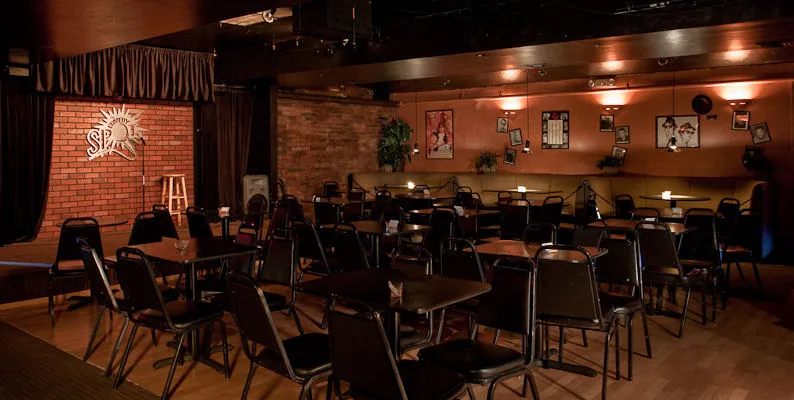
There's a moment every touring comedian knows intimately. You're thirty seconds into what you know is a bulletproof bit — the one that slayed in Columbus, destroyed in Nashville, and had Denver practically weeping with laughter. And then you watch it land in a Manhattan room like a wet paper bag dropped from a fire escape. Silence. Not even the polite kind. The kind where you can hear someone in the back unwrapping a mint.
Welcome to the great American comedy divide. It's real, it's relentless, and it is absolutely nobody's fault — except possibly yours for not doing the homework.
The Crowd Is Always Right (Even When It's Wrong)
Here's the uncomfortable truth that nobody in comedy school — if such a thing existed — would put on the syllabus: audiences don't adjust to the comedian. The comedian adjusts to the audience. And in a country this enormous, with this many overlapping cultural identities, that adjustment can feel like learning a new language every forty-eight hours.
Comedians who tour extensively will tell you that regional audiences aren't just different in taste — they're different in pace. Southern crowds, particularly in cities like Birmingham or Baton Rouge, tend to appreciate storytelling. Long-form setups, slow burns, jokes that feel like they're going somewhere before they arrive. There's a patience there, a willingness to ride along with the comic. Audiences in cities like Boston or Philadelphia, on the other hand, want you to get to the point before they've finished their first drink. They're not rude — they're just efficient.
New York is its own category entirely. Manhattan audiences have seen everything. They've watched legends bomb at the Comedy Cellar. They've heckled people who went on to win Emmys. Walking into a New York room without sharp, dense material is the comedic equivalent of showing up to a knife fight with a foam pool noodle.
The Bible Belt Is Funnier Than You Think
One of the most persistent myths in American comedy is that conservative, religious regions of the country don't have a sense of humor. This is demonstrably, laughably false — and the comics who've figured that out are cleaning up.
The Bible Belt has a rich tradition of self-deprecating, community-based humor. The joke that kills in a mid-size city in Arkansas isn't necessarily clean or wholesome. It's specific. It's about something everyone in the room recognizes — the particular brand of church-lady judgment, the county fair, the cousin who definitely shouldn't be trusted with a barbecue. When you hit that vein, those rooms go absolutely nuclear.
The mistake outsiders make is assuming that rural or religiously conservative audiences want sanitized material. What they actually want is material that acknowledges their world exists. Comics who parachute in from coastal cities with jokes entirely built around Brooklyn apartments and artisanal coffee are essentially performing in a foreign language. The accent is fine. The vocabulary is the problem.
Why Certain Comics Own Unexpected Markets
Some of the most interesting data points in modern comedy touring come from the booking side of the industry. Certain comedians who struggle to sell tickets in Los Angeles or New York are absolute monsters in markets like Des Moines, Omaha, or Chattanooga. And it's not always about political alignment or demographic overlap — sometimes it's simpler than that.
It's about recognition. When a comedian's material reflects the texture of someone's actual daily life — the commute, the grocery store, the neighbor with the aggressive wind chimes — that person feels seen. Comedy is, at its core, a transaction of recognition. I say the thing you thought but didn't say, and you laugh because you're relieved someone finally said it.
Comics who've built devoted followings in mid-American markets often talk about the warmth of those rooms. There's less ironic detachment. The audience isn't performing coolness at the expense of actually enjoying themselves. When something is funny, they laugh. Loudly. Completely. Without checking to see if the person next to them thinks it's acceptable to laugh.
The Coastal Bubble Is Real and It Has Consequences
Let's talk about the elephant in the green room. A significant portion of the comedy industry — the development deals, the specials, the late-night spots — runs through New York and Los Angeles. Which means the material that gets amplified and celebrated often reflects the sensibilities of those two cities more than the other couple hundred million Americans watching at home.
This creates a feedback loop that touring comics are acutely aware of. The jokes that get you a Netflix special might be the same jokes that make a Kansas City crowd stare at you like you've arrived from a different planet. And conversely, the material that absolutely wrecks a room in Memphis might never register with the industry gatekeepers who decide who gets a platform.
Some comedians have figured out how to code-switch between these worlds with remarkable fluency. Others have made a deliberate choice to stay regional, building fiercely loyal audiences in markets that the industry largely ignores — and making a very comfortable living doing it.
Adapting Without Selling Out
The question every touring comic wrestles with is how much to adapt. There's a difference between tailoring your delivery and wholesale rewriting your identity for every new zip code. The comics who do it best describe it less as changing the material and more as tuning the frequency.
Same joke. Different emphasis. Different pace. Maybe a local reference dropped in during crowd work to signal that you know where you are and you're not just running the same tape you ran in the last city. It's a small thing that makes an enormous difference. Audiences can smell autopilot. They know when they're being treated like a generic stop on a route rather than a specific room full of specific people.
The regional comedy divide isn't a problem to be solved. It's a feature of a country that is genuinely, stubbornly, beautifully plural. The comics who embrace that complexity — who find the humor in why the joke lands differently here than there — are the ones who'll still be touring in twenty years.
Everyone else is just confused about why the mint-unwrapper didn't laugh.