The Pause That Pays: How Comedians Turned Silence Into a Punchline
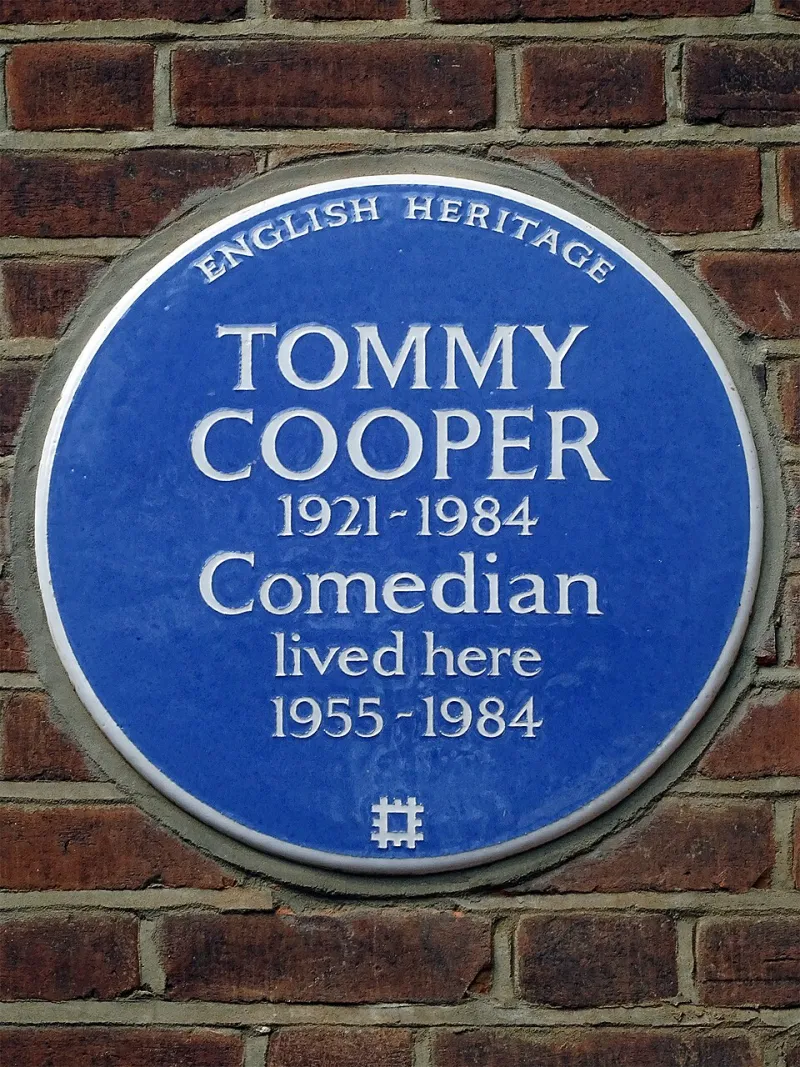
Photo: Hratty12, CC BY-SA 4.0, via Wikimedia Commons
There's a moment in a great stand-up set when the comedian says something, stops talking, and just... stares at you. The room holds its breath. You're not sure if you're supposed to laugh yet. You glance at the person next to you. They're doing the same thing. And then — then — the laugh hits, and it hits harder than anything you've heard all night.
That moment? That's not an accident. That's craft. That's the pause, and it might be the most underrated weapon in American comedy right now.
The Silence Isn't Empty — It's Full of You
Here's the psychology of it, and stick with us because this is where things get genuinely interesting. When a comedian stops speaking mid-set, the audience's brain doesn't shut off. It accelerates. It starts filling in the blanks, anticipating the punchline, running through possibilities. By the time the comedian delivers the actual line, the audience has already done half the comedic work themselves.
Psychologists call this "anticipatory anxiety" — that low-level discomfort of not knowing what's coming. Comedians have been exploiting it for decades, but the modern era has turned it into an art form with its own grammar and syntax. The pause isn't just a breath between words anymore. It's a sentence.
Think about how Bob Newhart built an entire career on the half-heard phone call — the silence on his end doing more comedic lifting than any punchline could. Or watch a clip of Norm Macdonald, the undisputed heavyweight champion of the uncomfortable pause, letting a joke breathe so long that the audience went from laughing, to confused, to laughing again — sometimes at a completely different thing than the original setup. That's not fumbling. That's jazz.
The New School of Quiet
A fresh generation of comedians has taken the pause and pushed it somewhere genuinely strange and wonderful. Performers like Julio Torres, Nate Bargatze, and Taylor Tomlinson have all, in their wildly different ways, learned to treat silence as punctuation rather than failure.
Bargatze in particular — that slow, deliberate Southern drawl, the long blinks, the unhurried delivery — weaponizes quiet in a way that makes you wonder if he's even going to finish the thought. He is. He always is. But by the time he gets there, you're so primed that a relatively simple observation lands like a freight train.
Then there's the more confrontational school of silence, where the pause isn't warm and patient but genuinely unsettling. British comics exported to American audiences — and yes, Jack Dee fans, you know exactly the type we're talking about — have long used the withering stare-down pause to make audiences feel slightly guilty for existing. It's not a comfortable silence. It's a prosecutorial silence. And somehow, that's even funnier.
Streaming Broke the Pause (And Then Fixed It)
Here's where things get complicated. The silence that destroys a live room doesn't always translate to your couch. On stage, a five-second pause is electric because you're in a shared space with three hundred other people all holding the same breath. On Netflix, a five-second pause is when you check your phone.
Streaming platforms have forced comedians to recalibrate. The pause needs to be shorter, sharper, and preceded by stronger setup so that the home viewer stays invested rather than distracted. Some comics have responded by tightening their pauses to a razor's edge — a beat, not a breath. Others have leaned into the discomfort even harder, daring the viewer to look away.
Watch any of Dave Chappelle's recent specials and notice how his pauses function differently in arenas versus intimate club recordings. In the arena, the silence is filled by ambient crowd energy — you feel the collective tension. In a studio special, those same pauses are edited more carefully, with reaction shots and crowd audio used to simulate the live experience. The silence is engineered, not accidental.
This is the new reality: the pause is now a post-production decision as much as a performance one.
Learning to Sit With It
For aspiring comedians reading this from a bar stool in Des Moines or a coffee shop in Austin, here's the practical takeaway: you cannot fake a good pause. A nervous silence and an intentional silence feel completely different to an audience, even if they look identical from the outside.
The nervous pause radiates panic. Your eyes dart. Your weight shifts. You're broadcasting "I've lost the room" before you've even confirmed it. The intentional pause radiates control. You've planted your feet. You're looking at the audience like you've got all the time in the world, because in this moment, you genuinely do.
The difference is confidence, which is the difference in most things comedy-related. You earn the pause by knowing exactly what comes after it.
The Quiet Is the Joke
Perhaps the most radical evolution in all of this is the comedians who've made the silence itself the punchline — where the joke is that there is no joke, just the expectation of one. Norm Macdonald perfected this. His infamous "The Moth" joke is a masterclass in using the audience's anticipation against them, stringing out a setup so long and so pointedly that by the time the "punchline" arrives — which is barely a punchline at all — the laugh is about the journey, not the destination.
It's the comedy equivalent of the magician revealing the trick and somehow making that more impressive than the illusion itself.
So next time you're watching a special and a comedian goes quiet, don't check your phone. Sit in it. Let the discomfort do its work. That silence is costing the comedian something — nerve, timing, trust in the audience — and when it pays off, you'll feel it in your chest before you hear it in your throat.
The pause that pays. It's the most expensive free moment in show business.