The Real Price of Laughter: Breaking Down Why Comedy Tickets Cost More and Why You Should Stop Complaining
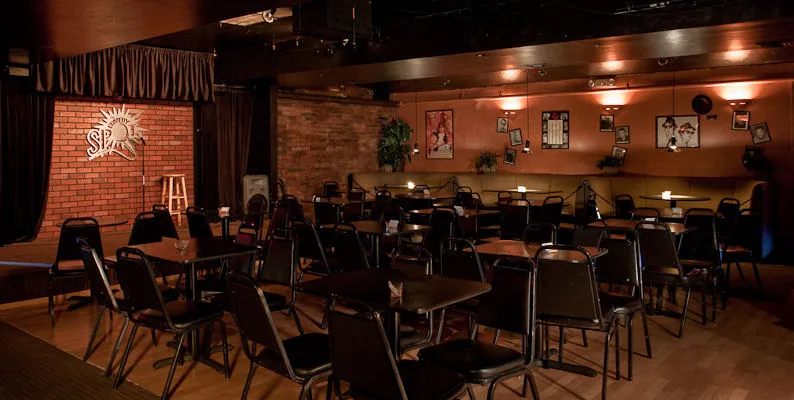
Photo: Sean Dillin, CC BY 1.0, via Wikimedia Commons
You noticed the ticket prices. Of course you did. Forty-five dollars for a Tuesday night at a mid-size comedy club feels steep when you remember paying twenty bucks for the same room five years ago. And the two-drink minimum that used to feel like a suggestion now functions more like a financial obligation. Before you log onto Reddit to write a very passionate post about the death of accessible comedy, maybe hear out the other side of the ledger.
Because the economics of live comedy have shifted — dramatically, structurally, and in ways that most ticket buyers have never been asked to think about. And here's the genuinely counterintuitive part: the price increase is making the shows better.
What You're Actually Paying For
Let's start with the basics that nobody talks about at the box office. Running a comedy club in America in 2024 is not a hobby. It is a brutally thin-margin business operating inside the entertainment industry, which is itself not known for being financially forgiving.
The average mid-size comedy club — the kind that holds 150 to 300 people and books working professionals rather than household names — is managing a cost structure that would make a small restaurant owner weep. Venue lease in any city that isn't actively trying to become a ghost town runs anywhere from $8,000 to $25,000 a month. Sound and lighting equipment that meets professional standards requires constant maintenance and periodic replacement. Staff — bartenders, servers, door people, sound techs — need to be paid, increasingly at wages that reflect the actual cost of living in the cities where these clubs operate.
And then there are the comedians themselves. The era of paying a headliner $300 for a weekend run is fading fast, and for good reason. Comics who have invested years — often a decade or more — developing material, building an audience, and grinding through club circuits across the country have begun, reasonably, to charge what their work is actually worth.
When you buy a $45 ticket, you are not being gouged. You are participating in the actual economics of live entertainment, which have been artificially suppressed for years by a business model that relied heavily on alcohol revenue to subsidize absurdly low ticket prices.
The Drink Minimum Wasn't a Deal — It Was a Subsidy
Here's something the comedy industry has been quietly aware of for decades: the traditional comedy club business model was essentially a bar that happened to have entertainment. Ticket prices were kept low to drive foot traffic, and the real revenue came from alcohol sales. Two-drink minimums weren't a quirky tradition. They were the financial foundation of the entire operation.
That model worked reasonably well when the cost of everything else stayed relatively stable. It started cracking when it didn't.
Labor costs went up. Commercial real estate in major markets went vertical. Insurance — particularly liability coverage for venues serving alcohol — became a significant line item. Supply chain disruptions pushed up the cost of the bar inventory that was supposed to be subsidizing everything else.
Clubs faced a choice: raise ticket prices to reflect actual operational costs, or continue the old model until the math stopped working entirely. Many chose the former. Some chose the latter until they couldn't anymore. The ones still standing are, by and large, the ones that made the harder decision.
What the Money Actually Buys
Here's where the counterintuitive part kicks in, and it's worth sitting with for a moment.
Higher ticket prices have changed what clubs can offer. When revenue is no longer entirely dependent on how many overpriced cocktails the audience can consume in ninety minutes, club owners have more flexibility to invest in the actual production. Better sound systems. Improved sightlines. Proper green rooms that don't resemble a storage closet with a mirror. Booking policies that prioritize quality over quantity.
More importantly, higher guarantees for performers have begun attracting a different caliber of comic to club dates. Touring comedians who might have bypassed a mid-size market entirely because the economics didn't justify the travel are now considering those bookings. The audience in Columbus or Charlotte or Albuquerque is getting access to talent that simply wasn't viable at the old price structure.
The relationship between what a comedian is paid and how good their set is isn't linear, obviously. But there's a real correlation between a comedian who feels valued and respected by a venue and one who brings their full, polished material rather than treating the date as a paycheck stop between bigger markets.
The Accessibility Question
The most legitimate criticism of rising comedy ticket prices is the accessibility argument, and it deserves a direct response rather than a dismissal.
Live comedy has historically been one of the more democratic entertainment options. A night at a comedy club was cheaper than a concert, more casual than theater, and felt like something that didn't require advance planning or a special occasion. The concern that $45 tickets and stiff drink minimums are pricing out younger audiences or lower-income fans is real and worth taking seriously.
But the alternative — clubs that can't sustain themselves and close — isn't accessible at any price. The comedy clubs that have gone under in the past decade weren't victims of high ticket prices. They were, more often, casualties of a model that couldn't adapt to changing costs.
There are also more options than ever for budget-conscious comedy fans. Open mic nights remain largely free or cheap. Newer clubs in emerging markets are often priced lower than established venues in major cities. And the pipeline of streaming content — whatever its limitations as a substitute for live performance — means that following a comedian's career has never been more affordable.
What You're Really Getting
At the end of it, a ticket to a live comedy show in 2024 is a ticket to something genuinely unrepeatable. A comedian working their material in front of a live crowd is doing something that no algorithm can replicate and no streaming platform can fully capture. The energy of a room that's fully in it — laughing together, surprised together, occasionally uncomfortable together — is a specific human experience that has real value.
The price went up. The show got better. That's not a coincidence, and it's not something to be particularly upset about.
Pay the cover. Buy the drink. Laugh until something hurts.
You're getting your money's worth.