Motels, Mileage, and Misery: The Unfiltered Survival Guide to Comedy Touring
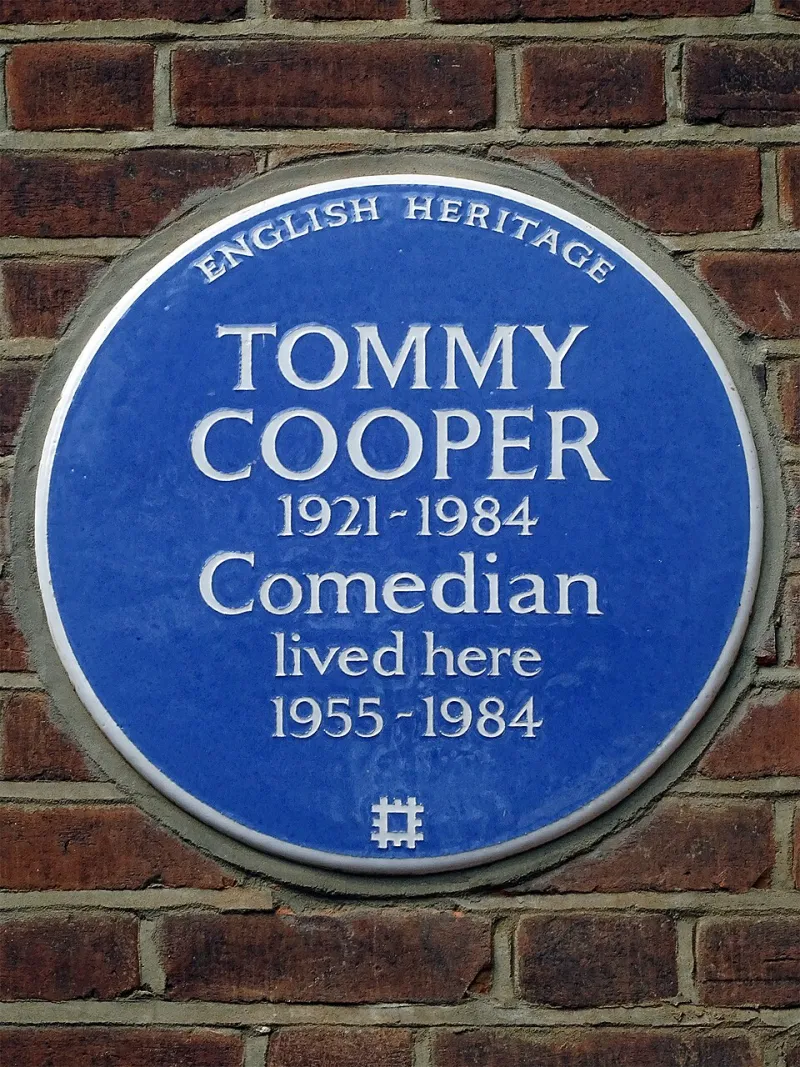
Photo: Spudgun67, CC BY-SA 4.0, via Wikimedia Commons
The poster looks incredible. Your name — your actual name — printed on a thing. Dates listed. Cities. The implication of an audience. You've made it. You're going on tour.
And then you're in a Wendy's parking lot in Shreveport at 1:47 a.m., eating a Frosty with a plastic spoon you found in your jacket pocket from a different state, wondering if the check engine light has always been that bright or if tonight is the night.
Welcome to comedy touring. It's everything you dreamed of, minus most of the good parts.
The Car Is Both Your Office and Your Enemy
For the first several years of any touring comedian's career, the vehicle is the central character in the story. Not the clubs. Not the audiences. The car.
You will spend more time in a rental car or your own deteriorating sedan than you will on any stage. You will learn which fast food chains have the cleanest bathrooms along I-40. You will develop opinions — strong, specific, almost theological opinions — about rest stops. The Iowa Welcome Center on I-80? Five stars. The one outside Tucson on I-10? Do not stop unless you are prepared to confront your own mortality.
Pro tip: Audiobooks will save your sanity. Podcasts will save your sanity slightly less because eventually you'll reach the end of every podcast you like and then you're just listening to people discuss topics you have no interest in. But you'll listen anyway because silence on a six-hour highway stretch is somehow more exhausting than noise.
Also: always, always, always photograph your rental car before you drive it off the lot. That scratch was there before you. You did not do that. Document everything like a crime scene.
The Hotel Room Is a Character Study
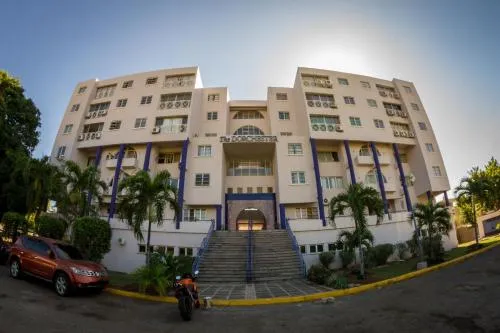
Comedians on the lower rungs of the touring ladder stay in a specific tier of American hotel that exists in its own dimension. Not bad enough to be alarming. Not good enough to be comfortable. These rooms are haunted not by ghosts but by the accumulated disappointment of everyone who's ever slept in them.
The WiFi will have a password that's twelve characters long and case-sensitive. The ice machine will be on a different floor than your room. The shower will have two settings: lukewarm and the surface of the sun. There will be a painting of a lighthouse.
There is always a painting of a lighthouse.
You will check the reviews before booking — everyone does — and you'll still be surprised. "Clean and comfortable" means different things to different people. A good rule of thumb: if a review mentions that the staff was "friendly despite everything," keep scrolling.
The One-Nighter Is a Spiritual Experience (Not a Good One)
The one-nighter is a rite of passage in American stand-up comedy that no one talks about enough. This is the gig where you drive four hours to perform in a bar, a brewery, a pizza restaurant, or (true story, happens constantly) a venue that is also somehow a gun shop, for a crowd that did not specifically come to see comedy.
They came for trivia night, or the wings special, or because their friend's birthday is happening in the back room and comedy was apparently part of the package deal.
You will perform your tightest twenty minutes for people who are actively eating mozzarella sticks. This is the crucible. This is where comedians are forged or abandoned. The comics who can make a table of eight celebrating a bachelorette party in Knoxville laugh at something genuinely clever? Those are the ones who survive. The ones who can't adapt? They go back to their regular jobs, which honestly might be the smarter call.
The one-nighter teaches you more about comedy than any open mic in New York or Los Angeles ever will. Adversity is the curriculum.
The Food Situation Is a Negotiation With Your Own Body
There is no touring diet. There is only touring survival eating. You eat when you can, what you can, wherever you can find it.
This means truck stop sushi is a real thing you will consider. You will develop a complicated relationship with gas station coffee that borders on codependence. You will eat a breakfast sandwich from a chain you'd never touch at home and it will be, inexplicably, the best thing you've eaten in three days.
Some clubs feed their comedians. This is a gift. A free meal after a show — even a mediocre one — feels like being handed a trophy. Other clubs do not feed their comedians, and those clubs will be discussed in certain online forums with the kind of specificity usually reserved for restaurant health code violations.
Hydrate. Seriously. The road dehydrates you in ways that are hard to explain but easy to feel. You'll show up to a show feeling vaguely terrible, drink two bottles of water, and suddenly be functional again. It's not glamorous advice. Nothing about this is glamorous.
The Mental Toll Nobody Posts About
Here's the part that doesn't make it into the tour announcement. The loneliness of the road is its own kind of strange. You perform for crowds — sometimes big ones, sometimes rooms that could generously be described as "intimate" — and then you go back to a room alone and try to sleep.
You're technically around people constantly. You're also, in a meaningful way, completely isolated. Your friends and family are in a timezone that doesn't match your schedule. You call home at weird hours. You text people who are at their regular jobs, living their regular lives, while you're trying to figure out if the Cracker Barrel in Memphis is open or if it's too late even for them.
The comics who tour successfully for years will all tell you the same thing: you have to genuinely love the performing part. Not the idea of it. The actual act of standing in a room and making strangers laugh. Because that part — that specific electric moment when it works — has to be worth everything else. The check engine light. The lighthouse painting. The mozzarella stick crowd.
If it is? The road is the best education comedy has to offer.
If it isn't? There's a Wendy's parking lot in Shreveport that will confirm your suspicions.